Exploring the Importance of Weld Inspection in Pipeline Girth Weld Quality
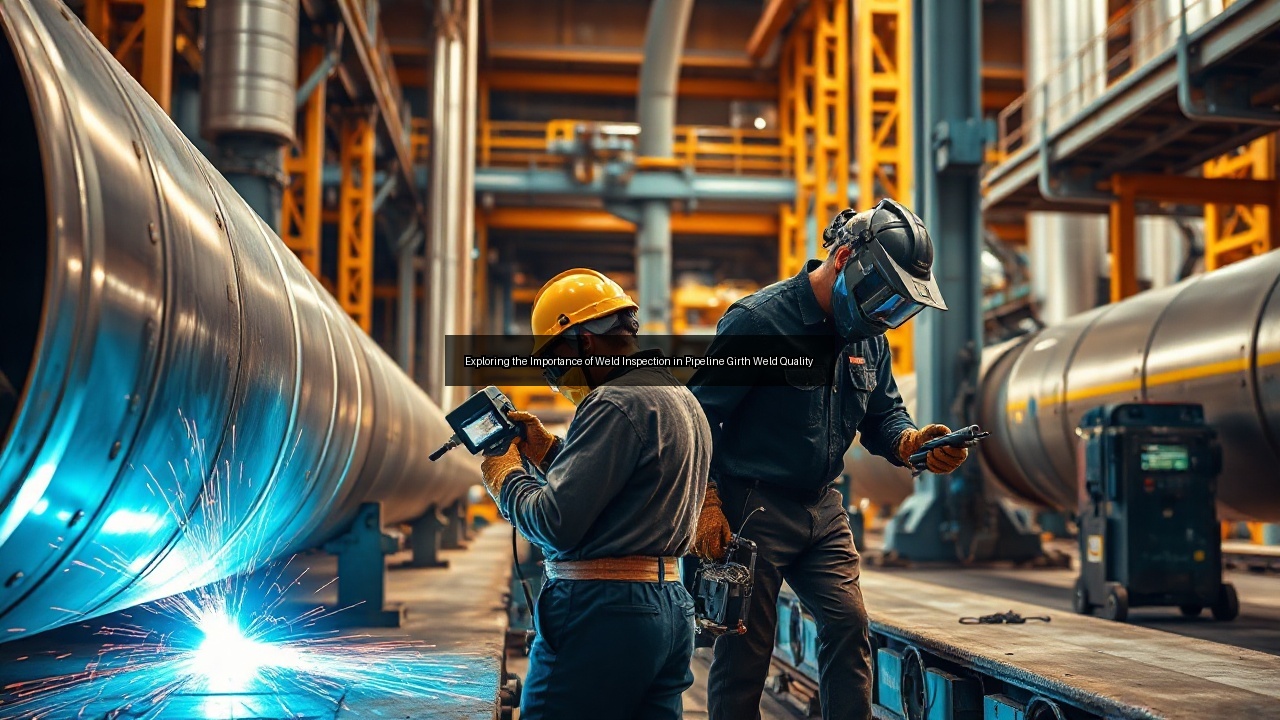
The Role of Weld Inspection in Pipeline Girth Welding
Understanding Pipeline Girth Welding
Pipeline girth welding joins sections of pipe end to end to form long pipelines that transport oil, gas, and other fluids across vast distances. Welders perform circumferential welds known as girth welds at each joint during pipeline construction. This process demands precision because the weld must maintain structural integrity under high pressure and varying environmental conditions. Pipeline girth welding often involves materials like stainless steel to resist degradation, and operators control parameters to achieve full penetration at the root. Proper execution ensures the welded connection handles mechanical loads without failure. Literature on the subject highlights how girth weld procedures directly influence overall pipeline reliability in demanding applications.
Importance of Weld Inspection
Weld inspection verifies that each girth weld meets quality thresholds for strength and leak resistance. Inspectors examine welds for defects that could compromise the pipeline during operation. Welding inspection catches issues early, allowing welders to correct problems before burial or commissioning. This step protects against costly downtime and environmental harm. Regular weld inspection also confirms compliance with design specifications, supporting safe transport of hazardous materials. By focusing on root passes and fusion quality, teams enhance the durability of pipelines across diverse terrains and climates.
The Consequences of Poor Weld Quality
Poor weld quality in pipeline girth welding leads to cracks, incomplete fusion, or porosity that reduce joint strength. These flaws invite corrosion at the weld site, accelerating material loss and risking leaks or ruptures. A single defective girth weld can halt operations, trigger environmental incidents, and incur massive repair expenses. Welders who skip thorough checks face liability when pipelines fail under stress. Historical cases show that inadequate welding inspection results in catastrophic breaks that damage infrastructure and communities. Prevention through consistent evaluation avoids these outcomes entirely.
Methods of Weld Inspection for Girth Welds
Overview of Non-Destructive Testing (NDT)
Non-destructive testing forms the backbone of weld inspection for girth welds without damaging the pipeline. Techniques such as radiography and magnetic particle testing reveal internal and surface defects in welded joints. NDT allows inspectors to assess weld integrity across the full circumference during construction. This approach supports high-volume pipeline projects where speed and accuracy matter. Welders rely on NDT results to validate their work before proceeding to the next section. The method extends to various materials, including stainless steel and plastic-lined pipes, ensuring broad applicability in modern pipeline systems.
Ultrasonic Inspection Techniques
Ultrasonic inspection sends high-frequency sound waves through the weld to detect flaws like lack of fusion or slag inclusions. Ultrasonic testing excels at examining thick-walled pipes common in pipeline girth welding. Operators position transducers around the girth weld joint to map defect locations precisely. This technique provides real-time data on weld quality and supports automated scanning for consistency. Ultrasonic inspection integrates well with other methods to give a complete picture of structural soundness. Its sensitivity helps maintain the required strength levels in critical pipeline sections.
Friction Stir Welding and Its Inspection
Friction stir welding creates solid-state joints in pipeline girth welding without melting the base metal, reducing distortion and improving mechanical properties. Inspectors apply specialized protocols to evaluate these welds because the process produces different defect profiles than traditional arc welding. Non-destructive testing combined with ultrasonic inspection confirms bond quality along the stir zone. Friction stir welding suits aluminum and certain steel grades used in pipelines. Weld inspection verifies that the joint achieves full strength and resists corrosion at the interface. This method gains traction in construction where precision and repeatability drive efficiency.
Visual Inspection Methods
Visual inspection serves as the first line of weld inspection for girth welds, allowing trained personnel to spot surface irregularities such as undercut, overlap, or misalignment. Welders perform initial checks immediately after welding to catch obvious issues at the root or cap. Tools like borescopes extend visibility into confined areas around the pipeline. This straightforward approach complements advanced non-destructive testing by identifying problems early in the sequence. Consistent visual review supports documentation requirements and ensures welds meet basic acceptance criteria before further evaluation.
Factors Affecting Girth Weld Quality
Weldability of Materials
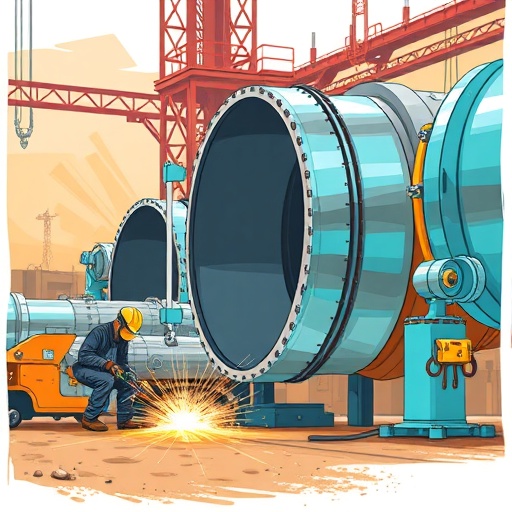
Weldability determines how easily a material forms a sound girth weld during pipeline construction. Stainless steel offers excellent weldability with proper preheat and filler selection, while carbon steels require attention to hardenability. Welders adjust parameters based on material composition to avoid cracking. Pipeline projects often mix grades, so understanding weldability prevents weak zones. Factors like alloy content and thickness influence the final weld strength. Thorough weld inspection confirms that material choices deliver the expected performance under operational loads.
Impact of Temperature on Weld Quality
Temperature affects weld pool behavior and cooling rates in pipeline girth welding. High ambient temperatures can cause excessive heat input, leading to grain coarsening and reduced toughness. Low temperatures demand preheat to prevent hydrogen cracking at the root. Welders monitor interpass temperatures closely to maintain consistent properties across the joint. Ultrasonic testing verifies that temperature variations did not introduce defects. Controlled conditions during construction protect weld integrity in extreme climates where pipelines operate.
Corrosion Resistance in Welds
Corrosion resistance depends on weld chemistry and microstructure in pipeline girth welding. Mismatched fillers or improper shielding can create anodic sites that accelerate attack along the weld. Stainless steel welds benefit from passivation treatments to restore protective layers. Weld inspection includes checks for sensitization that could compromise long-term resistance. Pipelines carrying corrosive fluids require extra scrutiny at girth weld joints. Effective measures extend service life and reduce maintenance demands across the network.
Standards and Procedures for Girth Weld Inspection
Industry Standards for Pipeline Construction
Industry standards such as API 1104 govern pipeline construction and specify acceptance criteria for girth welds. These guidelines cover welder qualification, procedure approval, and inspection frequency. Compliance ensures welds deliver required strength and toughness. Pipeline operators reference these documents to align practices across projects. Standards also address scope of testing for different service conditions. Adherence during welding inspection minimizes regulatory risks and supports safe infrastructure development.
Girth Weld Inspection Procedures
Girth weld inspection procedures outline step-by-step methods from surface preparation through final acceptance. Inspectors follow sequenced non-destructive testing after each weld pass to monitor quality. Procedures define acceptance limits for indications detected by ultrasonic inspection or other techniques. Welders receive feedback loops that improve technique on subsequent joints. Detailed protocols cover documentation of parameters like heat input and travel speed. Consistent application across pipeline segments guarantees uniform results.
Documentation and Record Keeping in Weld Inspection
Documentation captures every aspect of weld inspection for traceability in pipeline projects. Records include welder identification, procedure details, and NDT reports for each girth weld. This archive supports audits and future maintenance decisions. Accurate logging of temperature readings and defect repairs preserves institutional knowledge. Literature reviews often draw on such records to refine best practices. Thorough record keeping strengthens accountability and aids compliance verification.
Future Trends in Weld Inspection Technologies
Innovations in Ultrasonic Testing
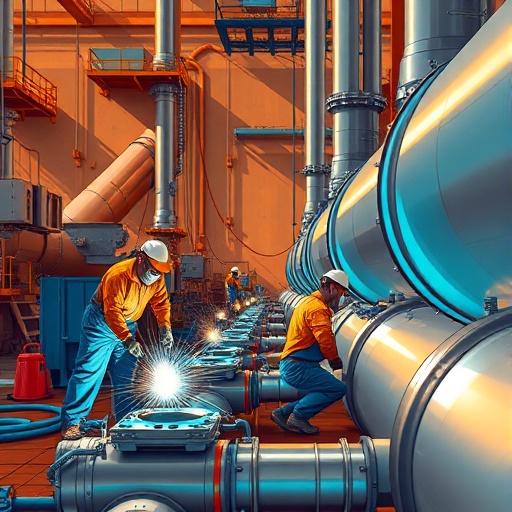
Innovations in ultrasonic testing introduce phased array and guided wave systems that scan girth welds faster with higher resolution. These tools map defects in three dimensions, improving detection of subtle flaws in pipeline materials. Automated scanners reduce human error during construction inspections. Ultrasonic inspection now integrates with robotics for remote application on large-diameter pipelines. Enhanced data processing delivers actionable insights on weld strength immediately. Adoption accelerates quality assurance in complex girth welding operations.
Integration of Artificial Intelligence in Weld Inspection
Artificial intelligence analyzes ultrasonic testing signals and visual data to flag anomalies in girth welds with greater consistency. Machine learning models trained on historical weld inspection results predict defect likelihood based on welding parameters. This integration speeds decision-making for welders and inspectors on site. AI systems also optimize procedure variables to enhance weldability across varying conditions. Pipeline operators gain predictive maintenance advantages from continuous monitoring data. The technology expands the scope of reliable inspection in demanding environments.
Challenges and Opportunities in Pipeline Girth Welding
Challenges in pipeline girth welding include maintaining quality amid material variations and extreme conditions, such as those involving platinum catalysts in specialized sensors. Opportunities arise from advanced friction stir welding combined with real-time non-destructive testing. Plastic deformation modeling helps refine joint designs for better corrosion resistance. Literature on emerging methods guides adoption of hybrid approaches that boost overall pipeline strength. Addressing these areas through improved weld inspection opens pathways to longer-lasting, more efficient infrastructure worldwide.