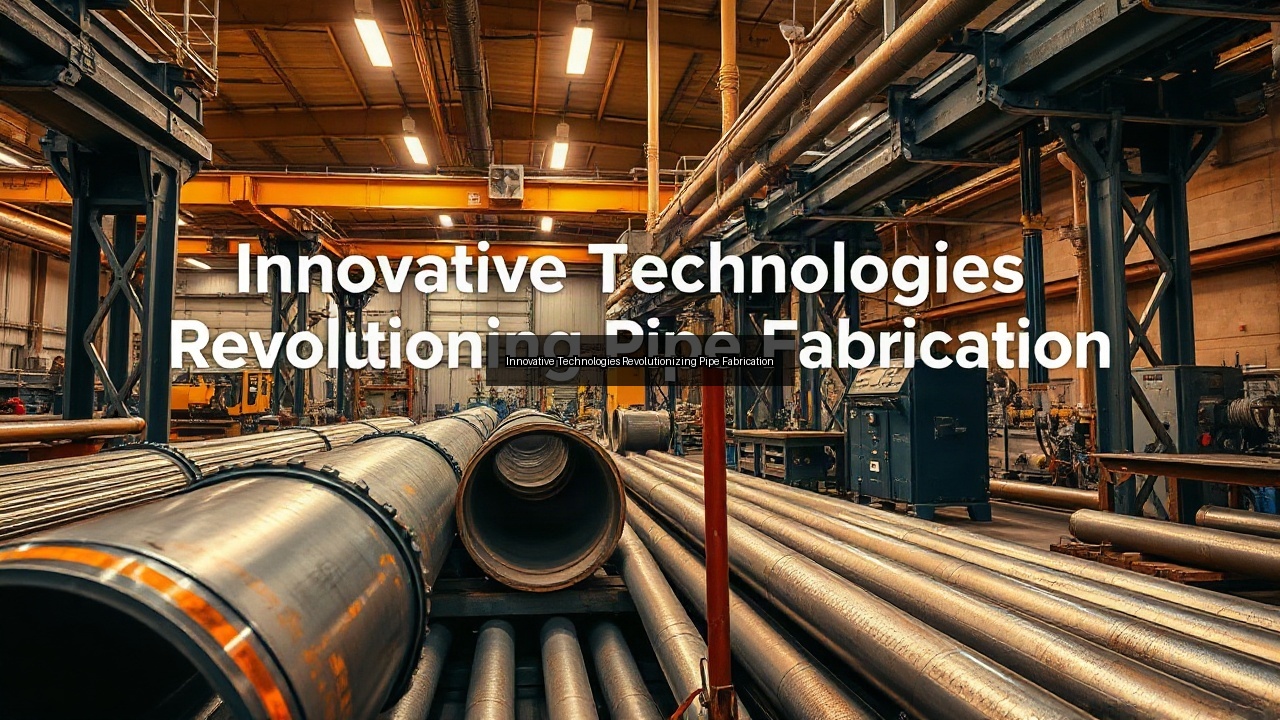
Innovative Technologies Revolutionizing Pipe Fabrication
Emerging Technologies in Pipe Fabrication
3D Printing in Pipe Fabrication
3D printing transforms pipe fabrication, enabling rapid prototyping and customized pipe designs. This technology allows fabricators to produce complex geometries that traditional methods struggle to achieve. The ability to print pipes with intricate internal structures optimizes fluid flow and reduces material waste. Fabrication companies can now create bespoke solutions for unique projects, significantly reducing lead times. Additionally, 3D printing cuts down on inventory costs by allowing on-demand production. As more pipe fabrication companies adopt this technology, expect enhanced innovation and efficiency across the industry.
Robotics and Automation in Metal Pipe Fabrication
Robotics and automation streamline the metal pipe fabrication process, enhancing precision and reducing labor costs. Automated systems handle repetitive tasks such as cutting, welding, and assembly with unmatched accuracy. This technology minimizes human error, ensuring consistent quality in fabricated pipes. Moreover, robots can operate in hazardous environments, safeguarding human workers. The integration of artificial intelligence further boosts efficiency by optimizing workflows and predicting maintenance needs. As pipe fabrication shops embrace these advancements, they will realize significant improvements in productivity and safety.
Advanced Welding Techniques for Steel Pipes
Advanced welding techniques, such as laser and friction stir welding, revolutionize the way steel pipes are fabricated. These methods offer superior strength and durability, crucial for high-pressure applications. Laser welding provides precision and speed, allowing for thinner materials to be joined with minimal distortion. On the other hand, friction stir welding creates solid-state joints without melting the base materials, resulting in less thermal stress. These innovations not only enhance the structural integrity of the pipes but also improve overall fabrication efficiency. For metal pipe fabrication companies, adopting these advanced welding techniques is essential for maintaining a competitive edge.
Enhancing Efficiency with Software Solutions
Computer-Aided Design (CAD) for Pipe Layouts
Computer-Aided Design (CAD) plays a pivotal role in modern pipe fabrication, offering tools that streamline the design process. CAD software allows engineers to create detailed 3D models of piping layouts, facilitating easier visualization and modifications. This capability reduces the likelihood of errors during fabrication by providing accurate measurements and specifications. Automated updates in CAD systems ensure that all stakeholders work with the most current data, fostering better collaboration. As pipe fabrication companies continue to implement advanced CAD solutions, they will experience improved project turnaround times and enhanced overall quality.
Project Management Software for Pipe Fabrication Companies
Effective project management is crucial for successful pipe fabrication services. Specialized software solutions help companies plan, execute, and monitor projects efficiently. These tools allow for better resource allocation and scheduling, minimizing downtime and optimizing labor costs. Integrated communication features facilitate real-time updates and collaboration among teams, ensuring everyone is aligned. Additionally, project management software provides valuable insights and analytics, helping companies assess performance and identify areas for improvement. By leveraging these technologies, pipe fabrication companies can boost their operational efficiency and deliver projects on time and within budget.
Cost Estimation Tools for Piping Projects
Cost estimation tools empower pipe fabrication companies to prepare accurate budgets for piping projects. These tools analyze multiple factors, such as material costs, labor rates, and project timelines, to generate comprehensive estimates. By using reliable cost estimation software, fabricators can avoid budget overruns and improve financial forecasting. Additionally, these tools help companies identify cost-saving opportunities, allowing them to maximize profits while maintaining quality. As the piping industry becomes more competitive, adopting effective cost estimation practices will be key to sustaining profitability and securing future contracts.
Sustainability and Materials Innovation
Recycled Materials in Steel Pipe Fabrication
The shift toward sustainability in pipe fabrication has led to an increased focus on using recycled materials. Many steel pipe fabrication companies now incorporate recycled steel into their production processes, reducing the environmental impact of new material extraction. This practice not only conserves resources but also lowers production costs, making it an attractive option for fabricators. Moreover, the use of recycled materials can enhance the marketability of fabricated products, appealing to environmentally conscious clients. As sustainability becomes a priority in the industry, expect further innovations in the use of recycled materials in pipe fabrication.
Eco-Friendly Coatings for Pipes
Eco-friendly coatings have emerged as a vital aspect of modern pipe fabrication, providing enhanced protection without harming the environment. Traditional coatings often contain harmful chemicals that can leach into soil and water systems. In contrast, innovative eco-friendly alternatives offer similar protective qualities while being safer for both workers and the environment. These coatings improve corrosion resistance and extend the lifespan of pipes, reducing the need for frequent replacements. As more pipe fabrication services adopt these sustainable practices, the industry will contribute positively to environmental conservation efforts.
Innovative Tube Materials and Their Impact on Fabrication
Research and development in materials science has led to the emergence of innovative tube materials that significantly impact pipe fabrication. Advanced composites and alloys provide enhanced strength-to-weight ratios, making them ideal for various applications. These materials can withstand extreme temperatures and pressures, expanding the range of projects that fabrication companies can undertake. Additionally, the lightweight nature of these materials can lead to reduced transportation costs and easier handling during installation. As the demand for high-performance piping solutions grows, the adoption of innovative tube materials will play a crucial role in shaping the future of pipe fabrication.
The Future of Pipe Fabrication Services
Trends in Pipe Fabrication Shops
Pipe fabrication shops are evolving in response to technological advancements and market demands. A trend toward modular construction is gaining traction, allowing for off-site fabrication of pipe systems that can be quickly assembled on-site. This approach enhances efficiency and reduces construction timelines. Additionally, shops are increasingly adopting lean manufacturing principles, focusing on waste reduction and process optimization. The integration of digital technologies like IoT and augmented reality into fabrication processes is also on the rise, providing real-time data and improving decision-making. These trends will shape the future landscape of pipe fabrication, driving innovation and efficiency.
Global Market Insights: Pricing and Demand
The global market for pipe fabrication services is experiencing notable shifts in pricing and demand. Factors such as fluctuating raw material prices, regional market dynamics, and evolving regulations impact the cost structure for fabricators. The increasing demand for infrastructure development and energy projects fuels growth in the pipe fabrication sector. Emerging markets, particularly in Asia and Africa, present opportunities for expansion as investments in industrial projects rise. Staying abreast of these market insights enables pipe fabrication companies to adapt their strategies, ensuring competitiveness in a rapidly changing landscape.
The Role of Customer-Centric Approaches in Pipe Fabrication
Customer-centric approaches are becoming essential for success in the pipe fabrication industry. Fabricators that prioritize client needs and preferences can build lasting relationships and enhance customer loyalty. Offering tailored solutions, transparent communication, and responsive service distinguishes successful companies from their competitors. Additionally, gathering and acting on customer feedback helps companies refine their processes and offerings. Emphasizing a customer-centric philosophy positions pipe fabrication companies to meet the evolving demands of the market and secure a prominent place in the industry’s future.