Understanding Liquid Measurement Techniques for Diesel Tanks
Introduction to Diesel Tank Measurement Techniques
Importance of Accurate Diesel Measurements
Accurate measurements of diesel fuel in storage tanks play a critical role in operational efficiency. These measurements ensure that fuel levels are monitored effectively, preventing shortages that can lead to operational downtime. In industries that rely on diesel, such as transportation and construction, a precise understanding of fuel levels can significantly impact productivity and cost management. Incorrect measurements can result in overfilling or underfilling, both of which pose risks, including spills or running out of fuel unexpectedly. Thus, employing reliable diesel tank level gauges becomes essential for maintaining workflow and ensuring safe operations.
Overview of Diesel Fuel Tanks and Their Functions
Diesel fuel tanks serve multiple purposes in various applications, from commercial transportation to industrial machinery. These tanks store diesel fuel and provide a necessary supply for engines and equipment. The functionality of a diesel tank goes beyond mere storage; it also includes maintaining the quality of the fuel, preventing contamination, and allowing for safe dispensing. Understanding the design and function of these storage tanks helps operators select the appropriate diesel gauges. A proper comprehension of tank capacities, shapes, and types directly influences the choice of measurement techniques, ensuring that organizations can manage fuel resources effectively.
Types of Diesel Gauges and Their Applications
Mechanical Diesel Gauges
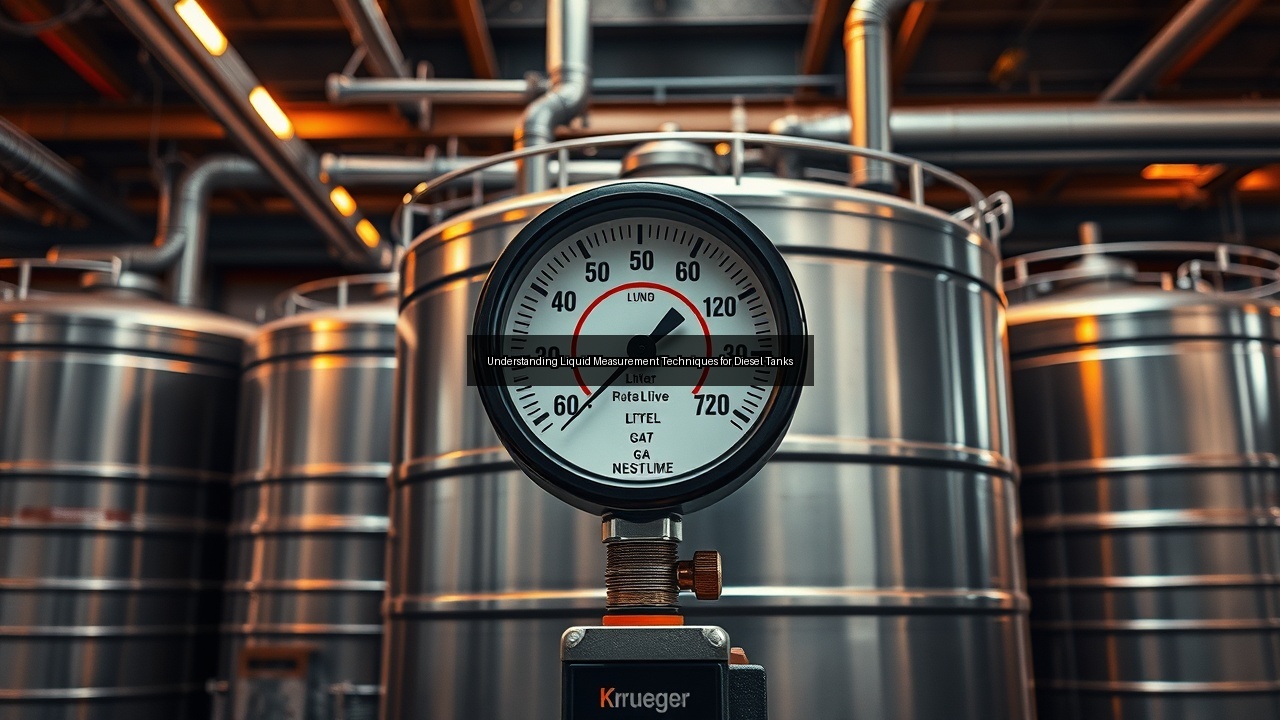
Mechanical diesel gauges offer a traditional approach to measuring fuel levels in tanks. These gauges operate using a float mechanism that rises and falls with the fuel level. As the float moves, it drives a needle on a dial, providing a visual indication of how much diesel is present in the tank. Mechanical gauges are straightforward and reliable, commonly used in various commercial and industrial settings. They require minimal maintenance and do not rely on electricity, making them suitable for remote areas where electrical supply may be inconsistent. However, their accuracy can be affected by mechanical wear and tear, so regular checks are essential to ensure they provide reliable information.
Electronic Diesel Level Gauges
Electronic diesel level gauges have gained popularity due to their advanced features and accuracy. These gauges utilize sensors to detect fuel levels and provide real-time data, often displayed digitally. Electronic systems can integrate with monitoring software, allowing for remote access to fuel levels and alerts for low fuel conditions. They enhance operational efficiency by reducing the need for manual checks and minimizing human error. Many electronic gauges come equipped with additional features such as temperature compensation, which adjusts measurements based on fuel temperature changes, ensuring even greater accuracy. Industries that rely heavily on diesel can significantly benefit from these sophisticated measurement tools.
Krueger Sentry Systems for Diesel Measurement
Krueger Sentry systems represent a cutting-edge solution for diesel measurement, combining technology and innovation to enhance fuel monitoring. These systems utilize advanced sensors and data analytics to provide accurate and timely information about diesel fuel levels. With Krueger Sentry, operators can monitor not only fuel levels but also other critical parameters such as tank temperature and fuel quality. This holistic approach helps organizations manage their diesel resources more effectively, reducing the risk of downtime due to fuel mismanagement. The integration of Krueger Sentry systems into operations allows for seamless monitoring, ensuring that fuel availability aligns with operational needs.
Factors Affecting Diesel Measurements
Temperature Variations and Their Impact on Measurements
Temperature fluctuations can significantly impact diesel fuel measurements. Diesel expands and contracts with temperature changes, which can lead to inaccuracies in measured fuel levels. For example, a full tank of diesel at a high temperature may read lower than its actual volume when the temperature drops. Understanding this relationship is crucial for operators who rely on precise fuel measurements. Many modern diesel gauges, including electronic systems, offer temperature compensation features to counteract these variations. However, operators should remain vigilant about seasonal changes and their potential effects on fuel density and measurement accuracy.
Maintenance and Calibration of Diesel Gauges
Regular maintenance and calibration of diesel gauges are vital for ensuring accurate measurements. Over time, wear and tear can affect both mechanical and electronic gauges, leading to discrepancies in fuel level readings. Scheduled inspections allow operators to identify issues early, such as faulty sensors in electronic systems or worn components in mechanical gauges. Calibration ensures that the measurements align with actual fuel levels, maintaining the integrity of operations. Organizations should establish a routine maintenance schedule based on usage and environmental conditions to maximize the lifespan and reliability of their diesel tank level gauges.
Common Plumbing Issues in Diesel Tanks
Plumbing issues can create significant challenges in diesel tank operations. diesel fuel gauges Problems such as leaks, clogs, or improper venting can lead to inaccurate fuel measurements or even hazardous situations. For instance, a clogged fuel line may prevent accurate readings from a diesel level gauge, while a leak can result in fuel loss and environmental damage. Operators must routinely inspect plumbing systems associated with diesel tanks to identify and rectify these issues promptly. Implementing proper plumbing practices and using quality materials can reduce the risk of these common problems, ensuring that measurement techniques remain effective and reliable.
Minimizing Downtime in Diesel Tank Operations
Best Practices for Monitoring Diesel Levels
Implementing best practices for monitoring diesel levels can significantly minimize downtime in operations. Regularly checking fuel levels using reliable diesel tank level gauges helps prevent unexpected outages. Operators should establish a systematic approach to monitoring, including documenting readings and trends over time. Utilizing level gauges for dieself fuel tanks automated monitoring systems, such as Krueger Sentry, can enhance this process, providing alerts for low fuel levels and ensuring timely restocking. Training staff on the importance of monitoring and the proper use of measurement tools further promotes proactive management of diesel resources, thereby reducing the likelihood of operational disruptions.
Strategies to Reduce Measurement Errors
Reducing measurement errors in diesel tank operations involves a combination of technology and good practices. Utilizing diesel gauges with high accuracy, such as electronic and advanced mechanical systems, can minimize discrepancies. Regular calibration of these gauges is essential to maintain their precision. Additionally, operators should ensure that the installation of gauges is correct, as improper placement can lead to inaccurate readings. Training personnel to recognize and address common errors in measurement can also help maintain the integrity of fuel level data. Adopting these strategies fosters a more efficient operation and mitigates risks associated with fuel management.
Importance of Regular Inspections and Maintenance
Regular inspections and maintenance of diesel tanks and their associated measurement systems are crucial for operational success. Scheduled checks can identify potential issues, such as leaks, faulty gauges, or plumbing problems, before they escalate into significant challenges. Furthermore, maintenance routines should include cleaning and servicing diesel gauges to ensure optimal performance. Operators should document maintenance activities to track the condition of equipment and make informed decisions about repairs or upgrades. By prioritizing inspections and maintenance, organizations can enhance the reliability of their diesel tank operations and prevent unplanned downtime, ultimately leading to improved efficiency and cost savings.