Safety Relief Valves in Food Processing Facilities: A Must-Have for Safety
The Importance of Safety Relief Valves in Food Processing Facilities
Understanding Safety Relief Valves
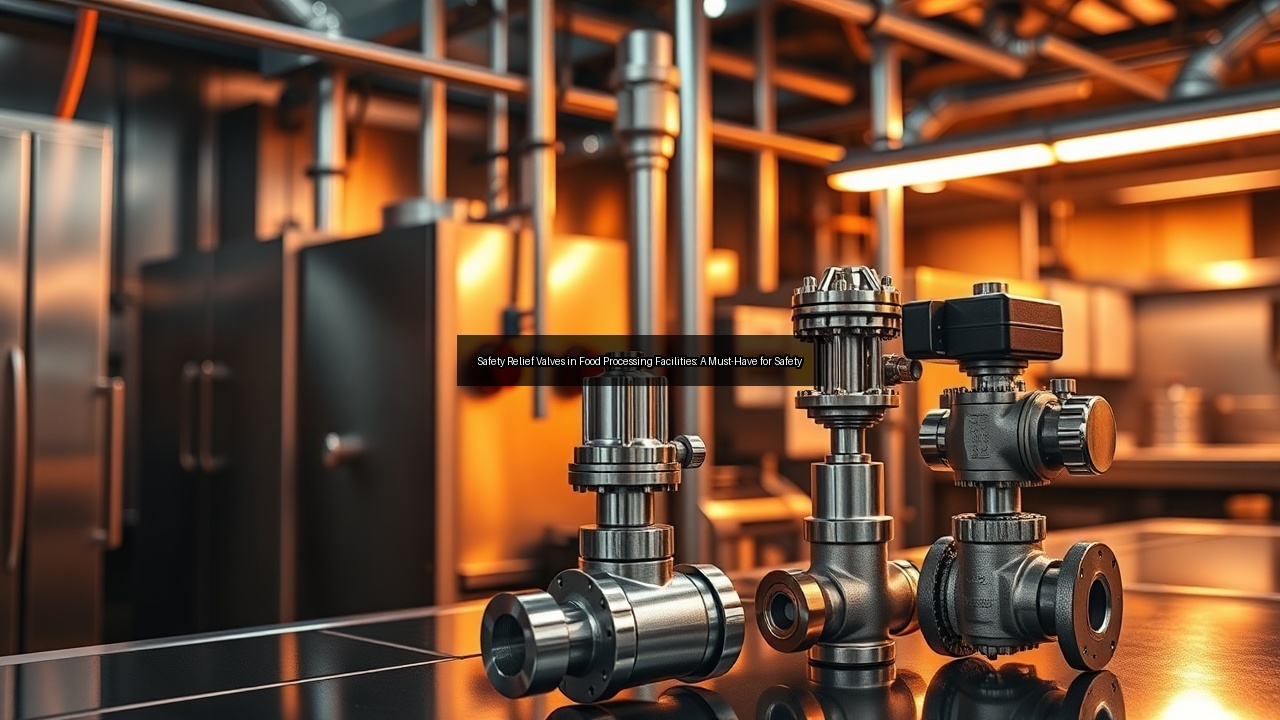
Safety relief valves protect equipment and personnel by releasing excess pressure before it causes damage. In food processing facilities these valves activate automatically when internal pressure exceeds safe limits. Operators rely on them during steam heating cycles or pressurized mixing operations. The design incorporates corrosion-resistant materials that withstand frequent cleaning and exposure to acidic or sugary fluids. Food manufacturers install safety relief valves on tanks, pipelines, and heat exchangers to maintain consistent production flow. Regular calibration ensures each valve responds at the exact pressure threshold required by the process. Without these devices even minor blockages could lead to catastrophic failures that halt entire production lines.
Role in Preventing Overpressure
Overpressure events threaten both product integrity and worker safety in food plants. Safety relief valves open instantly to vent steam, air, or liquids when sensors detect rising pressure. This immediate response prevents vessel rupture and keeps operations running without lengthy shutdowns. Engineers size valves according to maximum expected flow rates and fluid characteristics common in food processing. Proper installation on jacketed kettles and retorts stops pressure spikes during sterilization. Facilities that integrate these valves into daily protocols reduce insurance costs and avoid regulatory fines. Consistent monitoring of valve performance further strengthens defenses against sudden pressure surges.
Regulatory Standards and FDA Compliance
The FDA mandates strict pressure control measures throughout food manufacturing. Safety relief valves must meet ASME and 3-A sanitary standards to receive approval for use in regulated environments. Compliance teams document every valve installation and conduct periodic testing to verify set pressures. Facilities that process dairy or meat products face especially rigorous audits because contamination risks rise with equipment failure. Updated records of valve maintenance help processors demonstrate adherence during inspections. Manufacturers select valves certified for food contact surfaces to satisfy both safety and sanitation rules. Following these guidelines protects consumers and supports uninterrupted production schedules.
Types of Valves Used in the Food Processing Industry
Overview of Valves for Food Processing
Valves for food processing appear in nearly every stage from raw material intake to final packaging. Processors choose designs that resist bacterial growth and handle viscous or particulate-laden fluids without leaks. Stainless steel construction dominates because it withstands aggressive cleaning agents and high temperatures. Facilities evaluate flow requirements, pressure ratings, and clean-in-place compatibility before selecting any valve. Common types include gate, globe, diaphragm, and butterfly models tailored to specific production needs. Reliable valve performance directly influences product quality and throughput in high-volume operations. Suppliers provide documentation proving material traceability and sanitary finishes for every component.
Control Valves: Ensuring Precision
Control valves regulate flow rates with exceptional accuracy during mixing, filling, and temperature control steps. Actuators adjust valve position based on real-time sensor data from automated systems. In food processing plants these valves maintain consistent ingredient ratios that determine taste and texture. Operators program setpoints to match batch recipes while avoiding overfills or underfills. High-precision models handle both liquid and semi-solid streams common in sauces and dressings. Regular seat and stem inspections keep response times quick and prevent drift. Integration with digital controllers allows remote adjustments that reduce manual intervention and human error.
Ball Valves: Versatile Solutions
Ball valves deliver quick on-off control and minimal pressure drop across many food processing applications. Their full-port design permits unobstructed flow of chunky products such as soups and fruit purees. Food-grade seals and polished interiors meet sanitary requirements while resisting wear from abrasive particles. Operators appreciate the quarter-turn actuation that speeds up line changes between batches. Ball valves also function reliably in both high-pressure steam lines and low-pressure transfer lines. Maintenance crews replace seats and seals during planned downtime with minimal disruption to production. Versatility makes these valves a standard choice across diverse food and beverage facilities.
Check Valves: Preventing Backflow
Check valves stop reverse flow that could introduce contaminants or disrupt process balance. Spring-loaded or swing designs activate automatically when downstream pressure exceeds upstream pressure. In beverage lines these valves protect pumps from water hammer and keep product moving in the correct direction. Food processing plants install them at pump discharges and between process stages to maintain hygiene. Materials must resist corrosion from cleaning chemicals and withstand repeated thermal cycling. Proper sizing prevents chatter that shortens valve life. Facilities track check valve performance during audits to confirm backflow prevention meets regulatory expectations.
Applications of Valves in Food and Beverage Production
Valve Applications in Baked Goods Production
Baked goods lines depend on valves for precise delivery of dough, fillings, and coatings. Control valves meter fats and sugars into mixers while maintaining exact temperatures. Ball valves isolate sections of piping during flavor changes to avoid cross-contamination. Safety relief valves protect ovens and proofers from steam pressure buildup. Check valves ensure consistent flow from ingredient tanks to depositors. Process engineers select sanitary valves that withstand flour dust and frequent washdowns. Reliable valve operation supports high-speed production without compromising product uniformity or safety.
Confectionery Processing and Valve Needs
Confectionery plants handle sticky, high-viscosity masses that challenge standard valve designs. Specialized valves for food processing feature enlarged ports and heated bodies to keep chocolate and caramel flowing. Control valves regulate steam injection during cooking stages that determine final texture. Ball valves provide tight shutoff at molding stations where precise portioning matters. Safety relief valves guard against pressure spikes in vacuum cookers. Check valves prevent syrup backflow that could spoil batches. Sanitary finishes and CIP compatibility remain essential for meeting strict confectionery hygiene standards.
Fluid Control in the Beverage Industry
Beverage production requires valves that manage carbonated liquids, juices, and dairy bases without introducing oxygen or microbes. Control valves fine-tune flow during blending and carbonation to achieve target brix and gas levels. Ball valves enable rapid line switching between different beverage formulations. Check valves protect against back-siphonage in filling equipment. Safety relief valves release excess pressure from bright tanks and pasteurizers. Facilities in the beverage industry prioritize valves with electropolished surfaces that ease cleaning and reduce product hold-up. Consistent performance supports continuous operation across multiple shifts.
Integrating Valves into Automated Systems
Benefits of Automation in Food Processing
Automated systems increase throughput while reducing human contact with food products. Valves equipped with positioners and sensors feed data directly into plant control networks. This integration allows real-time adjustments that maintain product specifications across long runs. Automation also logs valve cycles for traceability required by food safety plans. Facilities report fewer unplanned stops and improved energy efficiency after converting manual valves to automated models. Remote monitoring lets technicians diagnose issues before they affect output. Overall, automation strengthens both productivity and compliance in modern food processing environments.
Choosing the Right Valves for Automation
Selecting valves for automated systems involves matching actuator types to process demands. Electric or pneumatic actuators provide the torque needed for larger ball valves and control valves. Processors evaluate response speed, fail-safe positions, and communication protocols such as 4-20 mA or fieldbus. Sanitary valves must accommodate clean-in-place cycles without trapping product. Compatibility with existing PLCs and SCADA platforms simplifies installation. Testing valve-actuator combinations under actual flow conditions confirms reliable performance before full-scale deployment.
Sanitary Design Considerations for Valves
Sanitary valve designs eliminate crevices where bacteria can accumulate. Smooth internal surfaces and self-draining geometries support validated cleaning procedures. Gasket materials must resist both process fluids and aggressive sanitizers. Automated valves include washdown-rated enclosures that protect electronics during high-pressure cleaning. Food processing plants verify that every valve meets 3-A or EHEDG standards before installation. Proper orientation during mounting prevents pooling and ensures complete drainage. Attention to these details protects product safety and extends equipment life.
Best Practices for Maintenance and Safety
Routine Inspection and Maintenance of Valves
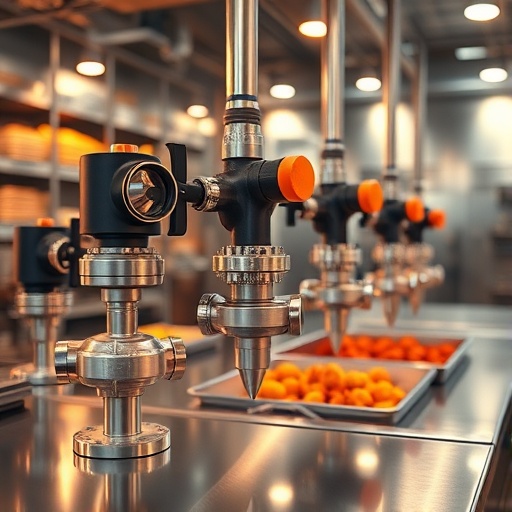
Scheduled inspections catch wear on seats, seals, and actuators before failures occur. Maintenance teams follow manufacturer guidelines for lubrication and torque checks on all valves used in food processing. Documentation of each service event supports traceability during FDA audits. Replacement parts should originate from certified suppliers to preserve sanitary integrity. Seasonal overhauls often include full disassembly and ultrasonic cleaning of critical components. Consistent routines keep valves operating within design parameters and prevent costly production interruptions.
Common Issues and Troubleshooting
Sticking actuators and leaking seals rank among the most frequent valve problems in food plants. Operators first verify air supply and electrical signals before replacing components. Buildup of product residue can restrict movement, so crews schedule extra CIP cycles when processing sticky items. Pressure relief valves may fail to reseat if debris lodges on the seat; flushing with clean water often resolves the issue. Systematic troubleshooting minimizes downtime and helps teams identify root causes quickly.
Resources for Valve Safety Compliance
Industry associations publish guides on valve selection and maintenance specific to food processing. Manufacturers offer training modules that cover installation, calibration, and regulatory updates. Plant engineers consult FDA guidance documents and 3-A standards when specifying new equipment. Online databases list certified valves for food contact and provide material compatibility charts. Participation in trade conferences keeps teams informed about emerging technologies and best practices. Access to these resources strengthens overall safety programs and supports continuous improvement.