Understanding the Importance of Warranty for Hazardous Location Motors
Understanding Hazardous Location Motors
Definition and Applications
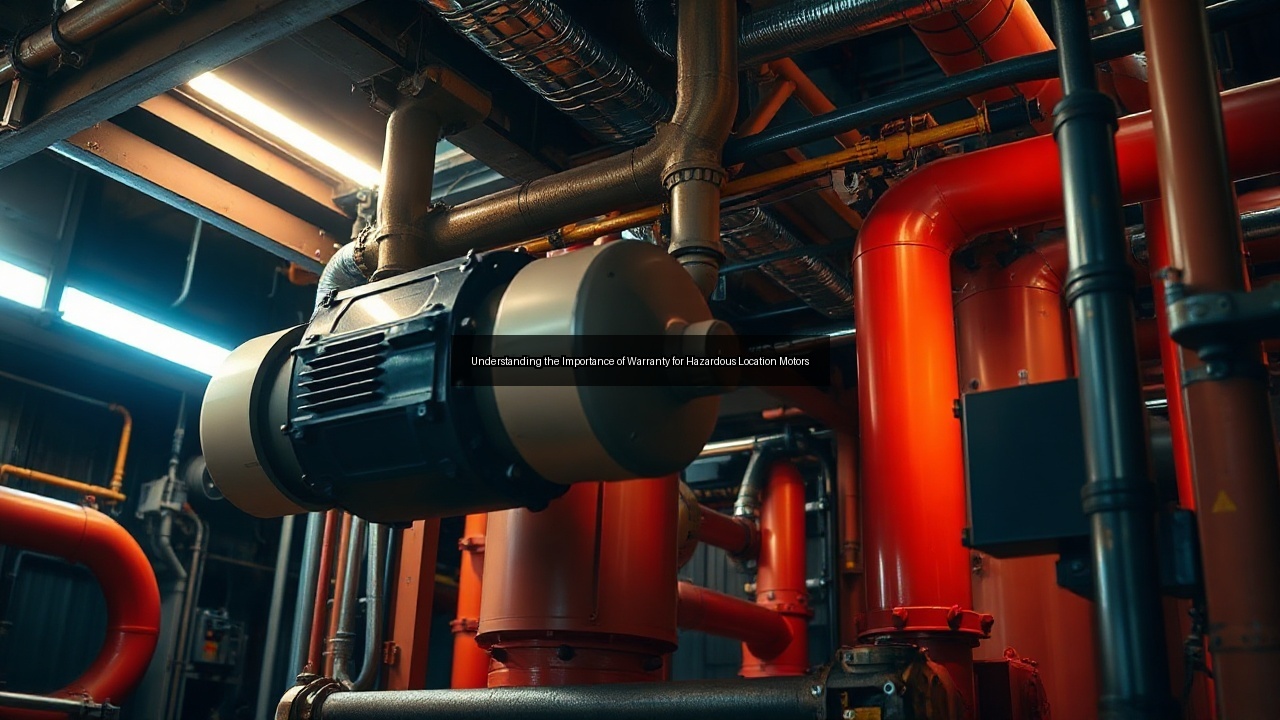
Hazardous location motors power equipment in environments where flammable gases, vapors, dusts, or liquids create explosion risks. These motors meet strict construction standards that prevent ignition sources from reaching the surrounding atmosphere. Industries rely on them in gas compressors, cooling towers, pulp and paper mills, data centers, and chemical plants. Operators select hazardous location motors when standard motors would violate safety codes or insurance requirements. Applications range from driving pumps that handle volatile liquids to running fans that ventilate confined spaces filled with combustible dusts. The motors maintain performance while containing any internal spark or heat that could trigger an external blast. Proper selection protects both personnel and expensive infrastructure from catastrophic failure.
Common Hazards in Industrial Settings
Industrial sites expose motors to constant threats from gas, vapors, and dusts that can ignite under the right conditions. Frequency of exposure increases in areas such as gas compressors and cooling towers where leaks or airborne particles accumulate. Single phase motors and three phase units both face these risks when installed near process lines that handle flammable materials. Ignition can occur from overheating bearings, electrical shorts, or even normal arcing at brushes. Plants in the pulp and paper sector deal with fine wood dusts that settle on motor surfaces and create combustible layers. Data centers must guard against battery room gases. Understanding these hazards drives the choice of explosion-proof enclosures and certified components that limit surface temperatures and seal internal spaces against intrusion.
Importance of Compliance with NEMA Standards
NEMA standards define the construction and testing requirements that hazardous location motors must satisfy before installation. Compliance ensures the motor can operate safely in classified areas without becoming an ignition source. Manufacturers design enclosures to contain explosions internally while preventing flame propagation to the outside atmosphere. Facilities that ignore NEMA guidelines risk insurance denials and regulatory fines after incidents. Regular audits verify that motor markings match the actual hazardous class and division present at the site. Distributors often help plants match NEMA classifications to specific process conditions before purchase. Adherence also supports reliable motor behavior under continuous load and varying temperatures, protecting both production schedules and worker safety across the facility.
The Role of Warranty in Hazardous Location Motors
What Warranty Covers: Key Components
A solid warranty on hazardous location motors covers the stator, rotor, bearings, and explosion-proof enclosure against defects that arise during normal operation. It also addresses failures linked to manufacturing flaws in seals that keep vapors and dusts from entering the motor. Many policies extend to cooling systems and terminal boxes that maintain safe internal temperatures. When a compressor or pump motor fails in a classified area, the warranty often includes labor for removal and reinstallation by certified technicians. Coverage typically excludes damage from improper installation or operation outside rated parameters. Buyers should review clauses that address force majeure events and environmental factors unique to hazardous locations. Clear terms reduce downtime costs and clarify responsibilities between the owner and the manufacturer.
Impact of Warranty on Motor Performance
Warranty terms directly influence how operators maintain and monitor hazardous location motors. Strong coverage encourages regular inspections that catch early signs of bearing wear or insulation breakdown before ignition risks develop. Facilities track motor data such as temperature rise and vibration levels to stay within warranty conditions. When performance deviates, documented service records support claims and keep coverage active. Reliable warranty support also affects decisions about running motors at higher loads in gas compressors or pulp and paper lines. Plants gain confidence to push equipment toward design limits knowing repairs remain protected. This relationship between warranty and performance ultimately improves uptime and reduces unexpected shutdowns in critical infrastructure.
Evaluating Warranty Terms for Hazardous Motors
Evaluating warranty terms requires close attention to duration, covered components, and service network reach. Longer warranties on hazardous location motors often signal higher build quality and better sealing against dusts and vapors. Buyers compare exclusions related to single phase motors versus three phase units and check whether BLDC motors receive equivalent protection. Terms should specify response times for repair or replacement in remote plants. Some policies require use of EASA-certified shops for any work performed on the motor. Dimension and mounting specifications listed in the warranty help confirm compatibility during future replacements. Distributors provide side-by-side comparisons that highlight gaps in coverage before purchase, allowing plants to select the option that best matches their operating environment and risk profile.
Choosing the Right Hazardous Location Motor
Single Phase vs. Three Phase Motors
Single phase motors suit smaller loads in hazardous locations where three phase power is unavailable. They deliver adequate starting torque for fans and light pumps while meeting explosion-proof requirements. Three phase motors handle higher horsepower applications such as gas compressors and large agitators with smoother operation and better efficiency. Plants evaluate power availability, load characteristics, and duty cycle when choosing between the two. Single phase units often cost less upfront but may require additional starting components that need their own hazardous location ratings. Three phase motors provide more consistent behavior under varying loads and integrate easily with variable frequency drives. Matching motor type to the application prevents overheating and extends service life in classified areas.
Understanding BLDC Motors in Hazardous Environments
BLDC motors bring high efficiency and precise speed control to hazardous locations when properly enclosed. Their electronic commutation reduces arcing compared with brushed designs, lowering ignition potential near gas or dusts. Engineers size BLDC motors for cooling towers and data center exhaust systems where continuous operation at variable speeds improves energy use. The compact dimension of many BLDC units simplifies installation in tight spaces around process equipment. Warranty coverage for BLDC motors in hazardous duty applications must address both the motor and the drive electronics. Facilities monitor current draw and temperature data to verify the system stays within certified limits. Proper selection delivers reliable performance while meeting strict safety codes.
Factors Influencing Motor Selection: Environment and Application
Environment and application dictate every detail of motor selection for hazardous locations. Temperature range, presence of corrosive vapors, and vibration levels from nearby compressors all affect enclosure choice and bearing design. Plants review process flow data to determine required horsepower and starting torque. Cooling towers demand motors that tolerate moisture and temperature swings, while pulp and paper lines need units that resist dust buildup. Infrastructure constraints such as available mounting space and power supply frequency also shape decisions. Distributors supply application engineering support that matches motor ratings to site classifications. Thorough evaluation prevents premature failure and keeps operations compliant with safety regulations across diverse industrial settings.
Maintenance and Repair of Hazardous Location Motors
Common Issues and Their Solutions
Bearing failure, insulation breakdown, and seal leakage rank among the most frequent problems in hazardous location motors. Overheating from dust accumulation or inadequate cooling often precedes these failures in gas compressors and cooling towers. Solutions include scheduled lubrication with approved greases and replacement of worn seals before vapors penetrate the enclosure. Vibration analysis detects imbalance early, allowing correction before damage spreads to the rotor. When ignition sources appear, certified repair shops restore explosion-proof integrity by following strict EASA guidelines. Plants document each repair to maintain warranty validity and regulatory compliance. Addressing issues promptly protects both equipment and surrounding infrastructure from escalation.
Importance of Regular Maintenance
Regular maintenance keeps hazardous location motors operating safely and extends service life in demanding environments. Scheduled inspections verify that enclosures remain intact and surface temperatures stay below ignition thresholds for surrounding gas or dusts. Cleaning removes combustible layers that could compromise cooling or create fire hazards. Monitoring motor data such as current draw and vibration trends reveals developing problems before they cause unplanned downtime in pulp and paper or data center operations. Maintenance records also support warranty claims and insurance audits. Consistent care reduces the frequency of major repairs and protects plant productivity across critical processes.
Role of Distributors in Motor Repair
Distributors serve as essential partners in motor repair for hazardous locations. They maintain inventories of certified replacement parts and coordinate with EASA-approved shops when full rebuilds become necessary. Technical staff help plants interpret warranty terms and schedule service that minimizes production interruptions. Distributors also track motor dimension and mounting data to ensure correct replacements during urgent repairs. Their local presence speeds response times for facilities dealing with gas compressors or cooling towers that cannot tolerate extended outages. Strong distributor relationships improve overall reliability and keep hazardous location motors compliant with NEMA and site-specific safety standards.
Future Trends in Hazardous Location Motors
Advancements in Motor Technology
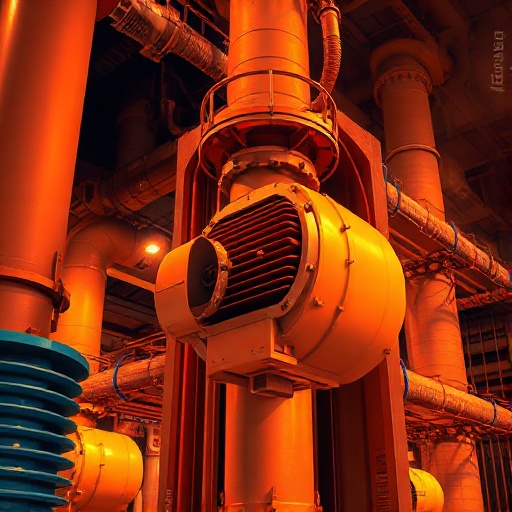
Advancements in motor technology continue to improve efficiency and safety for hazardous location motors. New materials and sealing methods better resist vapors, dusts, and corrosive liquids found in gas compressors and chemical plants. Manufacturers integrate higher-grade insulation and advanced cooling designs that maintain lower internal temperatures under heavy loads. BLDC motors gain wider acceptance as electronic controls become more robust in classified areas. These improvements reduce energy consumption while meeting stricter NEMA performance levels. Plants benefit from motors that deliver longer intervals between maintenance and greater resistance to the forces present in demanding industrial environments.
Impact of Data and IoT on Motor Performance
Data and IoT connectivity transform how facilities monitor hazardous location motors. Sensors track temperature, vibration, and current in real time, feeding information to plant systems that predict failures before they occur. Operators receive alerts when motor behavior deviates from normal patterns in gas compressors or pulp and paper lines. This visibility supports warranty compliance by documenting operating conditions and maintenance history. IoT platforms also optimize energy use by adjusting speed to match load demands in cooling towers and data centers. The result is improved reliability, reduced downtime, and better-informed decisions about repair versus replacement across hazardous locations.
Sustainability in Hazardous Motor Applications
Sustainability efforts drive adoption of higher-efficiency hazardous location motors that lower overall energy demand. Plants replace older units with designs that reduce heat losses and extend service intervals, cutting waste from frequent repairs. Efficient motors in gas compressors and cooling towers decrease the carbon footprint of continuous operations. Manufacturers incorporate recyclable materials and design for easier end-of-life disassembly. Data centers and pulp and paper facilities track energy data to meet corporate sustainability targets while maintaining explosion protection. These practices align safety requirements with environmental goals and support long-term infrastructure resilience in hazardous environments.